
Level 3 Diploma in Craft Skills for Creative Industries
The cost of the course is £4850. Your place can be secured with a deposit of £300. If you would like additional information, please email gill@ruralskillscentre.co.uk.
£300.00
Deposit
What will you learn?
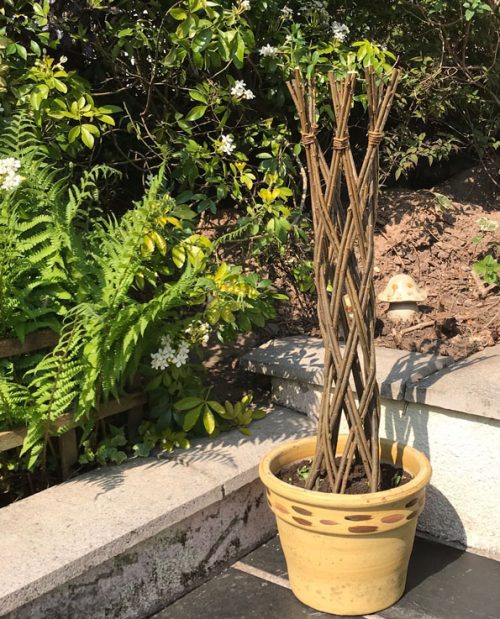
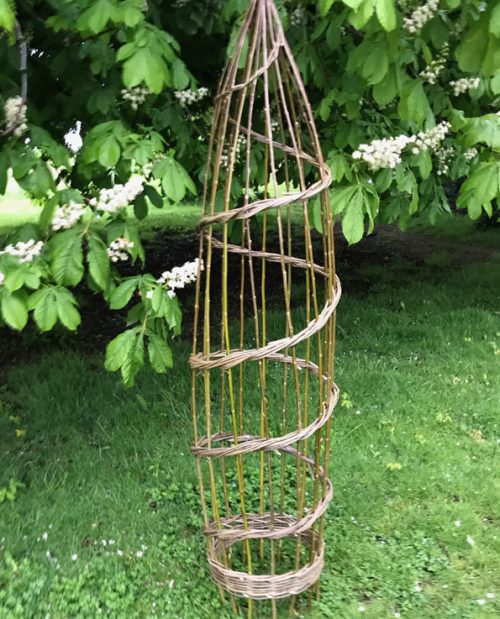
You will learn a wide and varied range of basketry skills and techniques linked to traditional and innovative approaches to basketmaking.
You will be taught by your core tutor, Gill Jones and across the programme, have the advantage of visiting tutors, who are specialists in their own specific disciplines, to expand and extend your basketry skills. We are especially pleased to have Clare Revera as our Internal Quality Assurance verifier.
How do i pay for the course?
Your place can be secured with a non-refundable deposit of £300.
| Option A:
You can pay the balance of £4350 in full at the start of the course (this is a £400 reduction for payment in full) |
Option B:
Make an additional 20 monthly payments of £227.50 |
When does the Level 3 course run?
There are three study options. These are: 2 days a month on either a Tuesday and Wednesday or Saturday and Sunday. There is also the option for 5 days, every other month Monday through to Friday.
The City and Guilds Level 3 course is part-time. Option A (Tuesday/Wednesday), will start in October 2026. Option B (Saturday/Sunday), and Option C (Monday-Friday), will start in January 2027.
What does the workshop space look like at the Rural Skills Centre?
The workshop is a transformed stable here on our farm in Castleton. It has many of the original features but still manages to be a light and spacious learning environment. Most importantly, the workshop is accessible (ramp access/accessible toilet facilities). The workshop also includes a kitchen area for drinks and snacks.
Each student will have an individual table/work bench as well as room to stake up baskets with ease.
At Level 3, it is anticipated that students will have a basic tool set for their basketry. Part of the experience of learning advanced basketry techniques is having the opportunity to experiment with equipment specific to a basketry discipline. You will be able to do this as part of your study, for example a shave horse (frame basketry), a square block (square work), or even a skeining machine for fine skein work.
Outside, there is a large patio area that can be used for basketry, having lunch, or simply just relaxing.
How can i be assured that my learning will meet the standards required by City and Guilds?
City and Guilds have a thorough Centre Approval process. This feeds into their systems and processes for ensuring quality learning and teaching experiences.
The Rural Skills Centre has City and Guilds Centre Approved status and is able to offer both the Level 2 and Level 3 qualifications relating to basketry.
To meet the requirements of City and Guilds, our tutors need to be proficient in their discipline with a strong professional profile that details their excellent basketry/business skills. Visiting discipline specific tutors will have been chosen for the quality of their work and their strong business profile.
Assessors at Level 3 must have a suitable qualification relating to assessment (for example a Certificate in Education or have achieved the Assessor Award). Like Level 2, assessors for Level 3 students are overseen by Clare Revera, our Internal Quality Assurance Manager.
As with our Level 2 provision, our internal quality assurance for the Level 3 qualification is overseen by Margaret Walker, our External Verifier, appointed by City and Guilds.
Who is the course/qualification for?
The City and Guilds Level 3 qualification is suitable for those who have completed Level 2 and want to take their basketmaking forward. It is also suited to those who have already begun their basketmaking journey and are aiming to make a living from their craft, perhaps selling their work, or teaching basket making.
The City and Guilds qualification is suitable for those basketmakers wishing to develop their craft into a viable basket making business.
What are the entry requirements for the City and Guilds Level 3 course?
The Level 3 City and Guilds basketry course is suitable for those who have successfully completed Level 2 and want to take their basketmaking forward.
In some instances, prospective students are accepted on to the Level 3 course based on their prior experiences as a basketmaker. This will be part of the induction process.
What are the scheduled dates for the City and Guilds Level 3 course?
| Option A – Tuesday and Wednesday |
|---|
| October 2026 6-7, November 3-4, December 8-9, January 2027 5-6, February 9-10, March 9-10, April 6-7, May 4-5, June 8-9, October 5-6, November 9-10, December 7-8, Jan 2027 4-5, February 8-9, March 7-8, April 4-5, May 9-10, June 6-7, |
| Option B – Saturday and Sunday |
| January 2027 23-24, February 27-28, March 13-14, April 10-11, May 8-9, June 12-13, July 3-4, September 11-12, October 9-10, November 13-14, December 11-12, January 2028 8-9, February 12-13, March 11-12, April 8-9, May 13-14, June 10-11, July 8-9, |
| Option C – Monday to Friday |
| January 2027 11-15, March 15-19, May 10-14, July 12-16, October 11-15, December 13-17, February 2028 14-18, April 10-13, |
What does the study space look like at the Rural Skills Centre?
We have high-speed internet connection useful for individual and group research.
We also have a camera/screen useful for practical research.
There is also a substantial library with current and classic foundational texts relating to basketry.
For those of you interested in our willow growing endeavours, there is also access to our willow beds and our willow barn.
If i am travelling a distance, where could i look for accommodation close by?
On site:
Camping (tent/caravan/campervan) in our fields (overlooking the River Severn)
Farmhouse stay (1 ensuite)
Local Hotels:
Coach and Horses by Martinez
Holiday Inn (Lakeside Drive, Coedkernew)
Local Self Catering Accommodation:
How much does the City and Guilds Level 3 Cost?
The cost of the course is £4850.
What is included in the course fee?
This includes all City and Guilds registration and certification fees as well as lunch/refreshments.
You will also be provided with the learning materials to support your study, including a Student Handbook and relevant subject specific handouts.
We will provide our own, home-grown, brown willow for you to use in taught sessions. You will need to purchase your own basketry materials to practise at home. You will also need to purchase materials that we do not grow/process, such as rush, centre cane and stripped willow (white/buff).
What will i be studying as part of the City and Guilds Level 3 Programme?
There are TEN units that make up the Diploma in Craft Skills for Creative Industries qualification.
SIX of the units are mandatory. Two have been selected from the optional units in Group A and two from the optional units in Group B.
Unit 301 – Select and use techniques, materials, tools and equipment for craft
Unit 302 – Use safe working practices and spaces for craft
Unit 303- Complete the craft making process
Unit 304 – Manage time for craft work and practice
Unit 305 – Contribute to the design process for craft
Unit 306- Keep up to date with the craft sector
Unit 307-Present and display craft
Unit 310-Work effectively with others in craft
Unit 404- Use digital technologies for craftwork
Unit 405-Use copyright law to protect creativity and innovation in craft
Who will be teaching the City and Guilds Level 3 qualification at the Rural Skills Centre??
Your level 3 tutor/assessors will include:
Gill Jones
Kate Jones
Visiting level 3 tutors across the two years will include:
Alisha Davidson (Advanced techniques)
Michelle Mateo Ash Splint Basketry
Ruth Denison Split Work: an introduction to working with Hazel
Clare Revera (frame work)
What places of interest are nearby?
Walks/footpaths:
Lets Walk Newport: Countryside Walks
Ruperra Castle Walking Route
Suitable for Research:
Glamorgan Archives
National Museum, Cardiff
St Fagans National Museum of History
Usk Rural Life Museum
Places of Interest:
Big Pit, National Coal Museum
Caerphilly Castle
Cardiff Castle
Castel Coch
Cyfarthfa Castle Museum and Art Gallery
Foot Golf
Ogmore by Sea Beach
Penderyn Distillery
The Dell Vineyard
Tredegar House
Places to eat/drink:
Coach and Horses by Martinez
Dragonfly
Friendly Fox
Ruperra Arms
Shopping:
Abergavenny
Cardiff City Centre
McArthur Glen, Bridgend
Trago, Merthyr
Things to interest young people:
Boulders Indoor Climbing
Cefn Mably Farm Park
Exit60 Escape Rooms Newport
Go Ape, Margam
Tee-Rex Adventure Golf
The Royal Mint
What will you learn?
You will learn a wide and varied range of basketry skills and techniques linked to traditional and innovative approaches to basketmaking.
You will be taught by your core tutor, Gill Jones and across the programme, have the advantage of visiting tutors, who are specialists in their own specific disciplines, to expand and extend your basketry skills. We are especially pleased to have Clare Revera as our Internal Quality Assurance verifier.
Who is the course/qualification for?
The City and Guilds Level 3 qualification is suitable for those who have completed Level 2 and want to take their basketmaking forward. It is also suited to those who have already begun their basketmaking journey and are aiming to make a living from their craft, perhaps selling their work, or teaching basket making.
The City and Guilds qualification is suitable for those basketmakers wishing to develop their craft into a viable basket making business.
How much does the City and Guilds Level 3 Cost?
The cost of the course is £4850.
How do i pay for the course?
Your place can be secured with a non-refundable deposit of £300.
| Option A:
You can pay the balance of £4350 in full at the start of the course (this is a £400 reduction for payment in full) |
Option B:
Make an additional 20 monthly payments of £227.50 |
What are the entry requirements for the City and Guilds Level 3 course?
The Level 3 City and Guilds basketry course is suitable for those who have successfully completed Level 2 and want to take their basketmaking forward.
In some instances, prospective students are accepted on to the Level 3 course based on their prior experiences as a basketmaker. This will be part of the induction process.
In some instances, prospective students are accepted on to the Level 3 course based on their prior experiences as a basketmaker. This will be part of the induction process.
What is included in the course fee?
This includes all City and Guilds registration and certification fees as well as lunch/refreshments.
You will also be provided with the learning materials to support your study, including a Student Handbook and relevant subject specific handouts.
We will provide our own, home grown, brown willow for you to use in taught sessions. You will need to purchase your own basketry materials to practice at home. You will also need to purchase materials that we do not grow/process, such as rush, centre cane and stripped willow (white/buff).
When does the Level 3 course run?
There are three study options. These are: 2 days a month on either a Tuesday and Wednesday or Saturday and Sunday. There is also the option for 5 days, every other month Monday through to Friday.
The City and Guilds Level 3 course is part-time. Option A (Tuesday/Wednesday), will start in October 2026. Option B (Saturday/Sunday), and Option C (Monday-Friday), will start in January 2027.
What are the scheduled dates for the City and Guilds Level 3 course?
| Option A – Tuesday and Wednesday |
|---|
| October 2026 6-7, November 3-4, December 8-9, January 2027 5-6, February 9-10, March 9-10, April 6-7, May 4-5, June 8-9, October 5-6, November 9-10, December 7-8, Jan 2027 4-5, February 8-9, March 7-8, April 4-5, May 9-10, June 6-7, |
| Option B – Saturday and Sunday |
| January 2027 23-24, February 27-28, March 13-14, April 10-11, May 8-9, June 12-13, July 3-4, September 11-12, October 9-10, November 13-14, December 11-12, January 2028 8-9, February 12-13, March 11-12, April 8-9, May 13-14, June 10-11, July 8-9, |
| Option C – Monday to Friday |
| January 2027 11-15, March 15-19, May 10-14, July 12-16, October 11-15, December 13-17, February 2028 14-18, April 10-13, |
What will i be studying as part of the City and Guilds Level 3 Programme?
There are TEN units that make up the Diploma in Craft Skills for Creative Industries qualification.
SIX of the units are mandatory. Two have been selected from the optional units in Group A and two from the optional units in Group B.
Unit 301 – Select and use techniques, materials, tools and equipment for craft
Unit 302 – Use safe working practices and spaces for craft
Unit 303- Complete the craft making process
Unit 304 – Manage time for craft work and practice
Unit 305 – Contribute to the design process for craft
Unit 306- Keep up to date with the craft sector
Unit 307-Present and display craft
Unit 310-Work effectively with others in craft
Unit 404- Use digital technologies for craftwork
Unit 405-Use copyright law to protect creativity and innovation in craft
What does the workshop space look like at the Rural Skills Centre?
The workshop is a transformed stable here on our farm in Castleton. It has many of the original features but still manages to be a light and spacious learning environment. Most importantly, the workshop is accessible (ramp access/accessible toilet facilities). The workshop also includes a kitchen area for drinks and snacks.
Each student will have an individual table/work bench as well as room to stake up baskets with ease.
At Level 3, it is anticipated that students will have a basic tool set for their basketry. Part of the experience of learning advanced basketry techniques is having the opportunity to experiment with equipment specific to a basketry discipline. You will be able to do this as part of your study, for example a shave horse (frame basketry), a square block (square work), or even a skeining machine for fine skein work.
Outside, there is a large patio area that can be used for basketry, having lunch, or simply just relaxing.
What does the study space look like at the Rural Skills Centre?
We have high-speed internet connection useful for individual and group research.
We also have a camera/screen useful for practical research.
There is also a substantial library with current and classic foundational texts relating to basketry.
For those of you interested in our willow growing endeavours, there is also access to our willow beds and our willow barn.
Who will be teaching the City and Guilds Level 3 qualification at the Rural Skills Centre??
Your level 3 tutor/assessors will include:
Gill Jones
Kate Jones
Visiting level 3 tutors across the two years will include:
Alisha Davidson (Advanced techniques)
Michelle Mateo Ash Splint Basketry
Ruth Denison Split Work: an introduction to working with Hazel
Clare Revera (frame work)
How can i be assured that my learning will meet the standards required by City and Guilds?
City and Guilds have a thorough Centre Approval process. This feeds into their systems and processes for ensuring quality learning and teaching experiences.
The Rural Skills Centre has City and Guilds Centre Approved status and is able to offer both the Level 2 and Level 3 qualifications relating to basketry.
To meet the requirements of City and Guilds, our tutors need to be proficient in their discipline with a strong professional profile that details their excellent basketry/business skills. Visiting discipline specific tutors will have been chosen for the quality of their work and their strong business profile.
Assessors at Level 3 must have a suitable qualification relating to assessment (for example a Certificate in Education or have achieved the Assessor Award). Like Level 2, assessors for Level 3 students are overseen by Clare Revera, our Internal Quality Assurance Manager.
As with our Level 2 provision, our internal quality assurance for the Level 3 qualification is overseen by Margaret Walker, our External Verifier, appointed by City and Guilds.
If i am travelling a distance, where could i look for accommodation close by?
On site:
Camping (tent/caravan/campervan) in our fields (overlooking the River Severn)
Farmhouse stay (1 ensuite)
Local Hotels:
Coach and Horses by Martinez
Holiday Inn (Lakeside Drive, Coedkernew)
Local Self Catering Accommodation:
What places of interest are nearby?
Walks/footpaths:
Lets Walk Newport: Countryside Walks
Ruperra Castle Walking Route
Suitable for Research:
Glamorgan Archives
National Museum, Cardiff
St Fagans National Museum of History
Usk Rural Life Museum
Places of Interest:
Big Pit, National Coal Museum
Caerphilly Castle
Cardiff Castle
Castel Coch
Cyfarthfa Castle Museum and Art Gallery
Foot Golf
Ogmore by Sea Beach
Penderyn Distillery
The Dell Vineyard
Tredegar House
Places to eat/drink:
Coach and Horses by Martinez
Dragonfly
Friendly Fox
Ruperra Arms
Shopping:
Abergavenny
Cardiff City Centre
McArthur Glen, Bridgend
Trago, Merthyr
Things to interest young people:
Boulders Indoor Climbing
Cefn Mably Farm Park
Exit60 Escape Rooms Newport
Go Ape, Margam
Tee-Rex Adventure Golf
The Royal Mint